


Florida religious exemption higher education is one of the most practically significant yet poorly documented areas of American faith-based university law. Florida is home to a significant number of faith-based and religiously affiliated higher education institutions — and the state’s religious exemption framework provides the legal operating foundation for those that operate outside the traditional regional accreditation system.
Understanding Florida religious exemption higher education correctly requires examining the specific state-level legal mechanisms involved — not applying generic assumptions about what religious exemption means. Our guide to the religious college legal framework USA covers the constitutional foundations — this article focuses specifically on how Florida implements those foundations through its own regulatory structure.
What Florida Religious Exemption Higher Education Actually Is
Florida religious exemption higher education refers to the legal framework under which faith-based colleges and universities in Florida may operate and award degrees without holding accreditation from a regionally recognized accrediting body — provided they meet the qualifying criteria for religious college status under Florida law.
This framework is not a loophole or an oversight in Florida’s education regulation. It is a deliberately constructed legal provision reflecting Florida’s implementation of First Amendment religious freedom protections at the state level. The Florida Department of Education administers this framework through its Commission on Independent Education — maintaining formal Annual Verification records for qualifying religious colleges that are publicly accessible and independently searchable.
Fact 1 — Florida Religious Exemption Higher Education Is Administered by the Florida DOE
The Florida religious exemption higher education framework is not self-administered by religious colleges. It is administered by the Florida Department of Education’s Commission on Independent Education — a formal state regulatory body responsible for oversight of independent educational institutions operating in Florida.
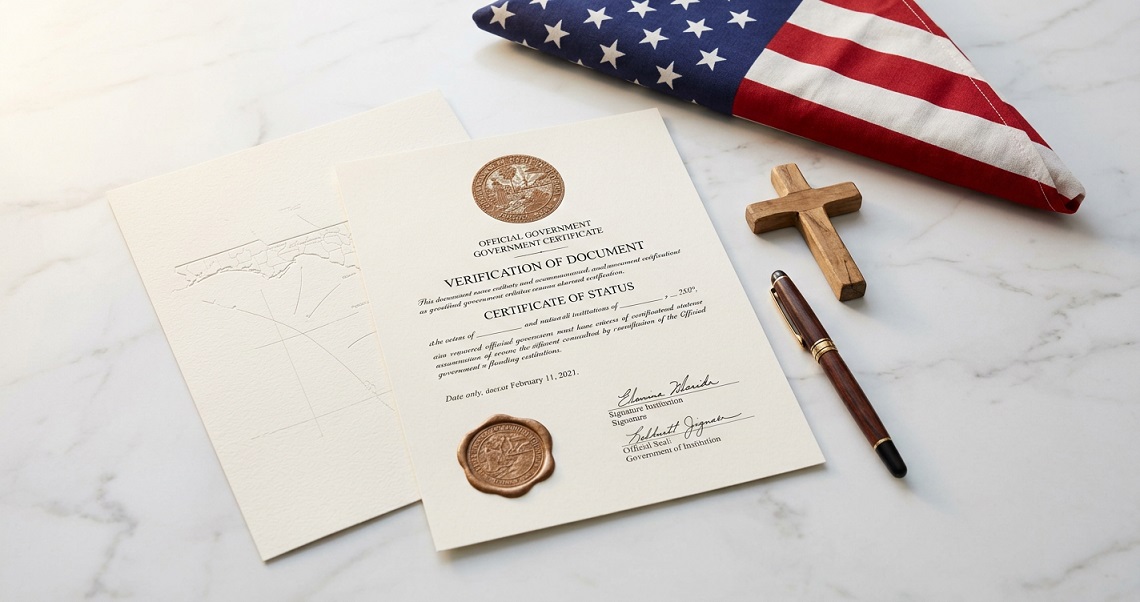
Qualifying religious colleges must complete an Annual Verification process through the Commission on Independent Education to maintain their recognized religious college status. This recurring compliance process confirms that the institution continues to meet Florida’s qualifying criteria for religious college operating authorization — and produces independently verifiable state government records confirming each institution’s current status.
Fact 2 — Florida Religious Exemption Higher Education Requires Qualifying Criteria
Access to Florida religious exemption higher education status is not automatic for any institution claiming a religious identity. Florida law specifies qualifying criteria that institutions must meet to operate as recognized religious colleges under the exemption framework.
These criteria address the institution’s genuine religious mission, operational structure, and educational activities — distinguishing authentically faith-based institutions from operations attempting to misuse religious exemption provisions. Our guide on religious exemption vs accreditation explains in detail how these qualifying requirements distinguish legitimate religious exemption from regulatory avoidance.
Fact 3 — Florida Religious Exemption Higher Education Authorizes Degree Conferral
One of the most practically significant aspects of Florida religious exemption higher education is that qualifying institutions are legally authorized to confer degrees — including Bachelor’s, Master’s, doctoral, and honorary degrees — within the scope of their religious mission and Florida law.
This degree-conferral authority is formal and legally grounded — not claimed without official backing. Degrees awarded by institutions holding Florida Annual Verification as religious colleges are legally issued credentials within Florida’s religious college framework. Their recognition in specific professional contexts depends on the receiving party’s policies — as with any credential from any institution type.
Fact 4 — Florida Religious Exemption Combines With International Accreditation
Many institutions operating under Florida religious exemption higher education frameworks also hold accreditation from internationally recognized bodies — creating a multi-layer recognition profile that extends well beyond the domestic state exemption alone.
Bodies listed in the CHEA International Quality Group directory — such as AUAP and ECLBS — provide internationally recognized accreditation frameworks that complement Florida religious exemption status. An institution combining Florida Annual Verification with CHEA CIQG-listed body accreditation presents a verifiable multi-framework recognition profile — documentable through both state government records and official CHEA-linked international databases.
Fact 5 — Florida Religious Exemption Higher Education Is Independently Verifiable
Florida religious exemption higher education status is not a claim that depends solely on institutional self-reporting. Annual Verification records maintained by the Florida Commission on Independent Education are publicly accessible — allowing any student, employer, or researcher to independently confirm an institution’s current religious college status through official state government channels.
This independent verifiability is what distinguishes legitimately operating Florida religious exemption institutions from operations without official recognition. The verification is simple, free, and direct — search the Florida Department of Education records for the institution’s Annual Verification status. Our guide on how to verify online university accreditation explains how to combine this state-level check with CHEA database searches for a complete verification picture.
Frequently Asked Questions
What is Florida religious exemption higher education?
Florida religious exemption higher education refers to the legal framework under which qualifying faith-based colleges in Florida operate and award degrees without regional accreditation — administered through the Florida Department of Education’s Commission on Independent Education Annual Verification process.
Is Florida religious exemption the same as accreditation?
No. Florida religious exemption higher education provides state-level legal operating authorization for faith-based institutions. Accreditation from recognized bodies provides quality assurance recognition. The two frameworks are complementary — many institutions hold both simultaneously.
How do I verify Florida religious exemption higher education status?
Search the Florida Department of Education records for the institution’s Annual Verification status as a religious college. This is a free, publicly accessible state government database search.
Can Florida religious exemption colleges award doctoral degrees?
Yes. Qualifying institutions under Florida religious exemption higher education frameworks are legally authorized to confer degrees at Bachelor’s, Master’s, doctoral, and honorary doctorate levels within the scope of their religious mission and Florida law.
Do Florida religious exemption colleges need to register anywhere?
Yes. Florida religious exemption higher education status requires Annual Verification through the Florida Commission on Independent Education — a recurring formal compliance process that produces publicly verifiable state government records confirming each institution’s current authorized status.


